
Aquatech China: Shanghai Tongjie as a Top Emergency Seawater Desalination System Company for Temporary Operations
Sep 18, 2026
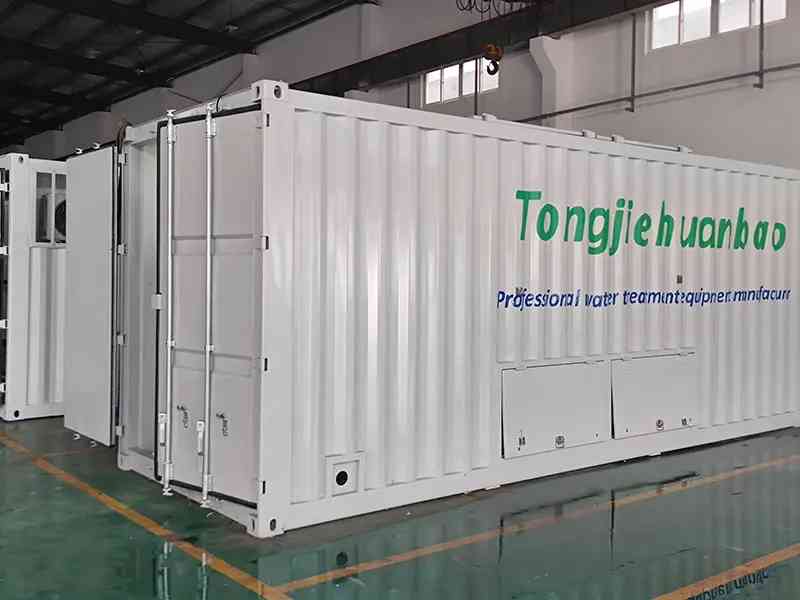
Shanghai, China Sep 18, 2026 (Issuewire.com) - When natural disasters, industrial construction projects, or acute seasonal droughts disrupt local water infrastructure, procuring an emergency seawater desalination system becomes an operational lifeline for relief agencies and temporary project managers. In industry forums such as Aquatech China, manufacturers like Shanghai Tongjie emphasize that rapid emergency deployment depends on pre-engineered mobility, multi-source raw water tolerance, and self-contained operation rather than permanent civil works.
For disaster coordinators and temporary site managers, the operational goal is transitioning from crisis arrival to verified potable water delivery in the shortest possible timeframe. Achieving this speed requires pre-tested mobile equipment capable of functioning under unpredictable feedwater conditions without demanding specialized on-site chemical staff.
Temporary Water Operations Require a Different Project Brief from Permanent Plants
Permanent municipal seawater desalination plants are designed around fixed, thoroughly characterized feedwater intakes, permanent concrete civil works, dedicated high-voltage power substations, and multi-year lifecycle amortizations. In contrast, temporary and emergency water operations must respond to dynamic field conditions where site tenure ranges from a few weeks to several months.
The engineering priorities for emergency systems center on mobility, self-sufficiency, and operational resilience. Equipment must withstand rough transport over degraded roadways or maritime landing craft, operate from mobile diesel generators, and tolerate raw water sources that fluctuate unpredictably in turbidity, organic load, and salinity.
Furthermore, temporary operations rarely offer dedicated technical teams with advanced membrane water-treatment expertise. Systems must feature intuitive, fail-safe automation that protects expensive reverse osmosis membranes from operator errors while maintaining continuous compliance with World Health Organization (WHO) drinking water standards.
Define Raw Water, Water Duty, Capacity, and Deployment Window First
Even under emergency conditions, successful water production requires establishing baseline engineering parameters before mobilizing equipment. Sourcing teams must characterize the available raw water supply: is the intake drawing from coastal seawater, tidal estuaries with fluctuating salinity, coastal lagoons, or saline groundwater wells?
A versatile emergency system must accommodate broad total dissolved solids (TDS) ranges. Drawing from oceanic seawater requires high-pressure SWRO operation at 55 to 70 bar, whereas brackish surface or well water can be processed at 15 to 25 bar, conserving significant electrical power and extending membrane life. Concurrently, suspended solids and turbidity must be evaluated; heavy coastal storm surges or river flooding can drive raw water turbidity from < 1 NTU up to > 50 NTU within hours.
Defining the water duty determines the required treatment train and post-treatment stages. Emergency operations typically categorize water requirements into three tiers:
- Potable Life-Support Water: Drinking and meal preparation requiring reverse osmosis desalination, mineral stabilization, and active disinfection (chlorination or ultraviolet irradiation) achieving WHO microbial safety standards.
- Hygiene & Sanitation Water: Showering, field laundry, and medical sanitation requiring moderate TDS reduction (< 500 mg/L) and microbiological disinfection.
- Dust Suppression & Utility Water: Preliminary filtration without reverse osmosis, preserving membrane runtime for human consumption.
Establishing daily consumption volumes (typically 10 to 100 cubic meters per day for field camps and disaster clusters) and the planned deployment duration allows logistics planners to preposition sufficient consumable filters, antiscalant chemicals, and membrane cleaning reagents.
How Containerized SWRO Reduces On-Site Integration Work
Containerized SWRO systems resolve the primary bottleneck of emergency water supply: lengthy field integration. By integrating the entire treatment train inside an ISO-standard 20-foot or 40-foot shipping container, the unit arrives on site as a self-contained, pre-tested water purification utility.
Internal factory pre-integration encompasses:
- Integrated Feed Pumping: Submersible or self-priming raw water booster pumps equipped with floating suction strainers that draw water directly from the sea, lagoon, or storage bladder without requiring permanent intake jetties.
- Multi-Barrier Pretreatment: Automated backwash multi-media sand/anthracite filters coupled with dual-stage 5-micron and 1-micron cartridge filtration to strip out suspended silt, sand, and algae before the high-pressure stage.
- Chemical Conditioning Skids: Onboard, pre-calibrated chemical dosing systems for coagulant, antiscalant, and sodium hypochlorite, complete with chemical day tanks and containment bunds.
- High-Pressure SWRO Core: Industrial high-pressure plunger or centrifugal pumps driving spiral-wound polyamide thin-film composite membranes housed in heavy-duty FRP pressure vessels.
- Clean-in-Place (CIP) Neutralization: Built-in chemical cleaning tanks, circulation pumps, and valving to perform periodic membrane washdowns without external equipment.
External field connections are limited to quick-connect camlock flexible hose couplings for raw water intake, potable permeate delivery, and brine reject discharge, alongside a standardized main electrical terminal block.
Power, Controls, and Remote Monitoring Support Temporary Operation
Electrical and control self-sufficiency is vital in disaster zones where utility grids are collapsed or non-existent. Containerized emergency systems are engineered to interface directly with mobile three-phase diesel generators, utilizing variable frequency drives (VFDs) with soft-start algorithms to prevent motor starting currents from tripping generator breakers.
Automation logic is designed for non-specialist field operators. Central touch-screen programmable logic controllers (PLCs) provide one-touch automated startup sequences: the system automatically flushes the intake loop, primes the high-pressure pump, ramps pressure gradually to avoid hydraulic shock, and diverts off-spec initial permeate to drain until product conductivity reaches potable thresholds.
Shanghai Tongjie equips emergency units with industrial 4G/5G and satellite IoT communication gateways. Even in remote deployment zones, operating telemetry--permeate conductivity, flux rates, system pressures, and operational hours--is beamed to regional technical command centers. Centralized engineering teams can diagnose operational anomalies remotely, guiding field personnel through routine maintenance or consumable replacement.
Plan Transport, Relocation, and Reuse Beyond the First Deployment
An emergency water system represents a strategic capital asset that must be redeployable across multiple relief operations or project locations. Designing for reusability requires addressing physical mobility and equipment preservation between active missions.
Container enclosures are built to ISO intermodal freight specifications, incorporating heavy-duty structural corner castings and integrated forklift pockets. This allows units to be rapidly transported via standard flatbed freight trucks, cargo aircraft, or commercial Ro-Ro shipping without requiring specialized oversize freight permits.
When a temporary deployment concludes, structured preservation procedures are essential to prevent membrane biofouling and biological degradation during transport or warehouse storage:
- Clean-in-Place (CIP) Wash: The membrane train undergoes a thorough alkaline and acid cleaning to strip organic matter and mineral scaling.
- Chemical Biostatic Preservation: The system is flushed and preserved with a 1.0% to 1.5% sodium bisulfite (SBS) biostatic solution, preventing bacterial growth and oxidation while idle.
- Winterization and Drainage: For storage in sub-freezing climates, all low-pressure piping manifolds and filter housings are equipped with low-point drain valves to prevent freeze-thaw cracking.
Prepositioned in strategic logistics hubs under proper chemical preservation, emergency SWRO units can remain in hot standby for up to 12 months, ready for rapid re-commissioning within hours of arrival at a new crisis theater.
Emergency Seawater Desalination FAQ
Selecting an emergency water treatment asset requires balancing mobility, water quality tolerance, and field operational simplicity.
How Fast Can a Containerized Emergency SWRO Unit Be Deployed?
Once delivered to a prepared site with an available water source and power generator, mechanical camlock hose hookup and electrical connection typically take between 2 and 6 hours, with potable water flowing within 1 hour of startup.
Can Temporary SWRO Systems Handle Variable Raw Water Sources?
Yes. Flexible multi-stage pretreatment trains--including adjustable coagulant dosing and multi-media filtration--allow systems to transition between coastal seawater, brackish estuarine water, and saline well water by adjusting high-pressure operating setpoints.
How Are Membranes Protected During Standby or Transport?
Membranes are chemically preserved with a sodium bisulfite solution and sealed under positive pressure, preventing biological growth and membrane drying for up to one year of warehouse standby.
What External Utilities Are Needed for Temporary Operation?
The unit requires an adequate raw water intake source, an external three-phase power supply (mobile diesel generator or local grid), a brine discharge pathway, and clean storage tanks for produced permeate.
Can Temporary Units Be Relocated and Re-Commissioned Elsewhere?
Yes. Built inside standard ISO container dimensions with lifting lugs, units can be disconnected, chemically preserved, transported by truck or barge, and redeployed at new project sites repeatedly.
Build an Emergency-Water RFQ Around the Deployment Scenario
Preparing a procurement specification for emergency water supply requires defining transport envelope constraints, expected raw water extremes, target population water quotas, and the desired degree of automation. Clear scenario modeling ensures equipment readiness before disaster strikes.
Submit target deployment scenarios, estimated population demand, raw water conditions, and transport logistics requirements to the Shanghai Tongjie emergency-response technical team to configure pre-tested, rapid-deployment emergency SWRO packages.
Media Contact
Shanghai Tongjie Environmental Protection Technology Co., Ltd.
Source :Shanghai Tongjie Environmental Protection Technology Co., Ltd.
This article was originally published by IssueWire. Read the original article here.
More News

A novel mRNA cancer vaccine helps cut the chances of melanoma tumor recurrence in major study
A first-of-its-kind cancer vaccine is significantly reducing the chances that melanoma patients' tumors come back, according to results of a major study released Thursday by drugmakers Moderna and Merck.

Visa Partners Singapore Tourism Board to Strengthen Singapore’s Global Destination Appeal
Visa, a global leader in digital payments and the Singapore Tourism Board (STB) have signed a three-year Memorandum of Understanding (MOU) to strengthen Singapore’s appeal as a preferred travel destination and to unlock new growth opportunities. The collaboration will focus on three key pillars – driving discovery of Singapore’s tourism products, especially its dining and night-time experiences; deriving insights to identify high-value tourism opportunities; and developing co-branded marketing campaigns to build brand preference for both Visa and Singapore.
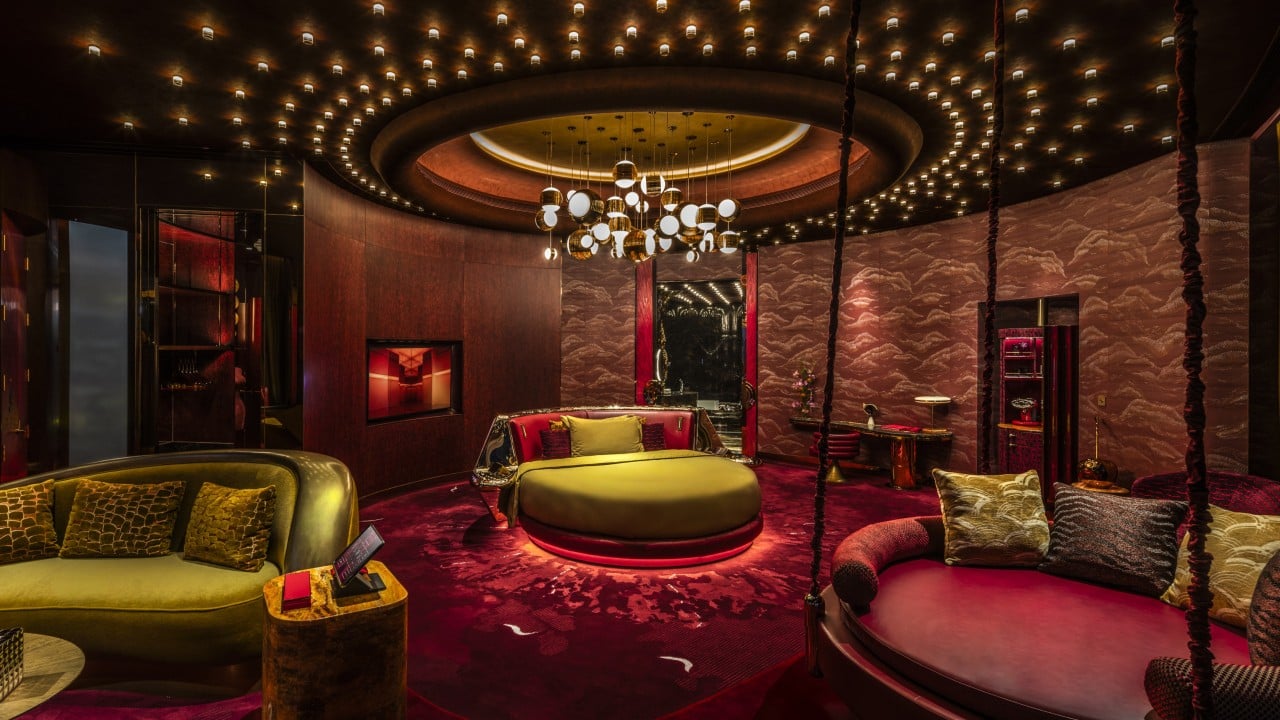
Inside the red-hot REM hotel in Macau – think revolving beds and dreamlike suites
Melco Resorts & Entertainment’s newest hotel, REM, opened this week to complete the ultra-luxury trio at the City of Dreams in Macau. Rebranded from the Countdown Hotel, which was the Hard Rock Hotel before that, the property sits alongside the Zaha Hadid-designed Morpheus and Asian-inspired Nuwa, positioning itself as the most exclusive of the three. REM stands for rapid eye movement, the phase of sleep during which “we have the most vivid dreams”, said Lawrence Ho Yau-lung, chairman and CEO of...

L.A. Affairs: Could I pull off a red bikini at 55? My husband's deep love helped me love myself
As a woman in her 50s living in youth-obsessed Los Angeles, I was well aware of my age. Thankfully, my husband still gazes at me with desire and love.

Is Trondheim the Nordics’ Coolest New Business Stop? Its Tastemakers Think So
From a floating sauna village to a ballroom restaurant, three local entrepreneurs reveal where to eat, unwind and make connections in Norway’s third city, and why its cooperative spirit makes it so rewarding to work in. The post Is Trondheim the Nordics’ Coolest New Business Stop? Its Tastemakers Think So appeared first on Business Traveller.

The Golden 50: These are the Best English Wines of 2026
From trophy-winning blanc de blancs to rare library releases, WineGB’s Golden 50 has gathered the top-scoring English wines across nine competitions. The post The Golden 50: These are the Best English Wines of 2026 appeared first on Business Traveller.

Prime Video K-drama Love in Disguise: Yim Si-wan, Seol In-ah lead gender-reversal romcom
Lead cast: Yim Si-wan, Seol In-ah, Kim Jung-hyun, Yeonwoo Latest Nielsen rating: 4.7 per cent In the romantic comedy Love in Disguise, Yim Si-wan plays a vain corporate heir suspected of murder who hires a new personal bodyguard, unaware that his protector is actually a female detective in disguise (played by Seol In-ah of Business Proposal). The series marks a return to more conventional K-drama fare for Yim, following his intense roles in the action film Mantis (2025) and the second and third...

Britain's best seaside towns for an autumn getaway, where you can enjoy quiet beaches, cosy pubs and proper fish and chips
Bracing coastal walks, characterful pubs and cosy bookshops - there are plenty of reasons to head to the coast even as autumn draws to a close.

Passenger Traffic Between Mexico and the Dominican Republic Grew 423% Since Arajet Began Operating
Four years after launching operations in Mexico, Arajet continues to strengthen its presence in this important market, achieving historic performance to date. This is reflected in the growth of total air passenger traffic between the two countries, which, according to data from the Dominican Republic’s Civil Aviation Board (JAC), is projected to exceed 398,000 passengers by the end of 2026. This significant increase in passenger traffic represents 423% growth compared to the 76,049 passengers transported in 2022, the year the Dominican flag carrier began operations in Mexico.

All about Tate Madden, who revealed her baby’s gender with fiancé Tyler Cameron on DWTS
During his performance for “Dedication Night” on Dancing with the Stars, Tyler Cameron revealed that he and his fiancée Tate Madden are expecting their first child together. View this post on Instagram Cameron and his professional partner, Sharna Burgess, were joined on stage by Madden and the trio performed to Ed Sheeran’s “Supermarket Flowers”. After their routine, Cameron and Madden also had a surprise gender reveal on stage – it’s a baby girl! Later, in...

How to have the best Sunday in L.A., according to William Jackson Harper
Breakfast at Fred 62, hiking at Griffith Park and a vintage jacket shopping spree are on the agenda for the Emmy-nominated actor.

Lufthansa Group: 10 neue Langstrecken im Sommer 2027
Mit dem neuen Sommerflugplan kündigt die Lufthansa Gruppe die umfangreichste Netzwerkerweiterung seit der Corona-Pandemie an. The post Lufthansa Group: 10 neue Langstrecken im Sommer 2027 appeared first on Business Traveller.
Recommended




YOUR NEWS, OUR NETWORK.
Do you have Great News you want to tell the world?
Be it updates about your business or your community, you can make sure that it’s heard by submitting your story to our network reaching hundreds of news sites across 6 verticals.