
Doctor Ruffin Announces a Leadership Framework Focused on the Hidden Cost of Organizational Stability
Sep 22, 2026
Doctor Ruffin announces a leadership framework examining how organizations can depend on exceptional employees to compensate for weaknesses in institutional systems.
United States, September 22, 2026 -- Dr. Quincy K. Ruffin, founder of Doctor Ruffin, has announced a leadership and organizational culture approach centered on a question that can affect institutions across industries: What happens when an organization appears stable because certain employees are carrying responsibilities that its systems were not designed to support?

Dr. Ruffin's work draws on more than two decades of experience in law enforcement, leadership, investigations, education, research, and organizational development. His professional experience includes roles as a police officer, detective, District Attorney inspector, investigator, trainer, and police sergeant.
Dr. Ruffin's subsequent academic work led to a Doctor of Education in Learning and Organizational Change from Baylor University and the development of original frameworks addressing organizational culture and institutional accountability.
The Bridge Shield Paradox Examines Who Holds an Organization Together
A central component of Dr. Ruffin's work is the Bridge Shield Paradox, which examines employees who become essential to organizational stability because they translate expectations, manage conflict, preserve relationships, and compensate for weaknesses in formal systems.
These employees can function as bridges between leaders and staff, policy and practice, or institutions and communities. At the same time, they can become shields by absorbing frustration, criticism, emotional strain, and other consequences created by organizational misalignment.
Dr. Ruffin argues that this dynamic can create borrowed stability. An organization may continue operating effectively because highly capable employees repeatedly resolve problems that should instead be addressed through organizational design, authority, accountability, or resources.
“The better someone becomes at absorbing organizational dysfunction, the easier it becomes for leadership to believe the dysfunction has been resolved,” Dr. Ruffin said.
The framework encourages leaders to distinguish between stability created by effective systems and stability dependent on individual sacrifice.
Cultural Current Theory Adds a Second Lens
Dr. Ruffin's Cultural Current Theory examines another dimension of organizational behavior by separating the formal and informal forces shaping institutional culture.
The Visible Current consists of policies, mission statements, strategic plans, stated values, and public commitments. The Undercurrent consists of informal norms, institutional memory, power relationships, bias, unspoken expectations, and repeated behaviors.
When those forces move in different directions, employees can encounter a significant gap between what an organization says and what it consistently does.
Dr. Ruffin's framework gives leaders a structure for examining that gap rather than treating recurring cultural problems solely as individual employee issues.
Recognized As Best Organizational Culture Consultant In 2026
Dr. Quincy K. Ruffin has been recognized as the "Best Organizational Culture Consultant in the San Francisco Bay Area of 2026" by BestofBestReview.com, recognizing his work in organizational culture, leadership development, and institutional change.
The recognition reflects Dr. Ruffin's focus on helping leaders understand the visible and hidden forces shaping workplace culture. Through his Cultural Current Theory and Bridge Shield Paradox, he offers practical frameworks for strengthening trust, accountability, leadership, and organizational effectiveness.
A Career Inside High Pressure Institutions
Dr. Ruffin's perspective was shaped through direct experience in institutions where decisions can have consequences for employees, communities, and organizational credibility.
Dr. Ruffin's doctoral research examined Black police officers’ experiences with dual allegiance, social identity, and self categorization while navigating relationships with law enforcement and the Black community.
Dr. Ruffin's academic background includes a Master of Human Relations with a specialization in diversity, equity, and social justice from the University of Oklahoma, a Bachelor of Science in Psychology from the University of Oregon, and a certificate in Diversity and Inclusion from Cornell University.
Dr. Ruffin's work has also extended into healthcare and medical education. Dr. Ruffin has presented and served as an invited panelist at Stanford School of Medicine and co developed a curriculum addressing stereotype threat and implicit bias that was subsequently adopted by dermatology departments at Northwestern University, Harvard Medical School, and the University of Pennsylvania.

Personal Challenges Influenced His View of Resilience
Dr. Ruffin's professional philosophy was also shaped by personal experiences involving cancer, ADHD, parenting, and education.
While completing his doctorate, he was diagnosed with Stage IV cancer. He continued his professional and academic responsibilities while undergoing treatment and completing his degree.
Dr. Ruffin has also navigated ADHD. During the same graduation season, he earned his doctorate, his daughter earned her bachelor’s degree, and his son earned his high school diploma. All three have ADHD.
The experience contributed to Dr. Ruffin's broader perspective on resilience. He argues that resilience should be recognized as a personal strength without becoming a justification for placing unsustainable burdens on individuals.
“I survived Stage IV cancer while completing my doctorate. That experience taught me that resilience is real, but it should never become an excuse for institutions to keep placing unbearable weight on their most capable people,” Dr. Ruffin said.
Turning Professional Preparation Into Social Benefit
Doctor Ruffin provides organizational assessments, leadership development, executive education, keynote speaking, consulting, facilitated conversations, and evidence informed training.
Dr. Ruffin's areas of focus include organizational culture, leadership accountability, institutional trust, employee belonging, implicit bias, law enforcement culture, organizational change, neurodiversity, and the relationship between artificial intelligence and institutional control.
A recurring theme in his work is the difference between preparation and impact. Dr. Ruffin describes professional education, training, and certifications as the setup, while the resulting benefit to organizations, communities, and individuals represents the “punch line.”
“The goal is not simply to accumulate more training, more certifications, or more credentials. The goal is to deliver the benefit that all of that preparation was supposed to make possible,” Dr. Ruffin said.
Dr. Ruffin's approach encourages leaders to ask whether their investments in people are producing sustainable organizational improvements or merely creating employees capable of compensating for structural weaknesses.
Books and Continuing Work
Dr. Ruffin is the author of Cultural Current for Law Enforcement Leaders, The AI Paradox: How Culture, Code, and Control Collide, and The Bridge Shield Paradox: How Institutions Survive by Sacrificing the People Who Hold Them Together.
Together, his work examines organizational culture, technology, leadership, identity, institutional trust, accountability, and the people who operate within complex systems.
“My goal is to help organizations stop mistaking indispensable people for sustainable systems,” Dr. Ruffin said.
Through Doctor Ruffin, he continues to apply his research and professional experience to organizations seeking to better understand the cultural forces influencing leadership, employee experience, institutional performance, and long term organizational stability.
About Doctor Ruffin
Doctor Ruffin, founded by Dr. Quincy K. Ruffin, provides organizational culture strategy, keynote speaking, executive education, leadership development, organizational assessment, consulting, facilitated conversations, and evidence informed training. Dr. Ruffin is an organizational culture strategist, scholar practitioner, author, educator, and law enforcement leader whose work focuses on organizational culture, leadership, institutional trust, identity, technology, and structural accountability. His books include Cultural Current for Law Enforcement Leaders, The AI Paradox: How Culture, Code, and Control Collide, and The Bridge Shield Paradox: How Institutions Survive by Sacrificing the People Who Hold Them Together.
Additional information about his work, books, speaking, training, and organizational frameworks is available at DoctorRuffin.com. Dr. Ruffin can also be found on LinkedIn. For business inquiries, contact [email protected]
Contact Info:
Name: Dr. Quincy K. Ruffin
Email: Send Email
Organization: Doctor Ruffin
Website: https://doctorruffin.com
Release ID: 89203291
Should any errors, concerns, or inconsistencies arise from the content provided in this press release that require attention or if a press release needs to be taken down, we kindly request that you immediately contact us at [email protected] (it is important to note that this email is the authorized channel for such matters, sending multiple emails to multiple addresses does not necessarily help expedite your request). Our efficient team will be at your disposal for timely assistance within 8 hours – taking necessary measures to rectify identified issues or providing guidance on the removal process. We prioritize delivering accurate and reliable information.
More News
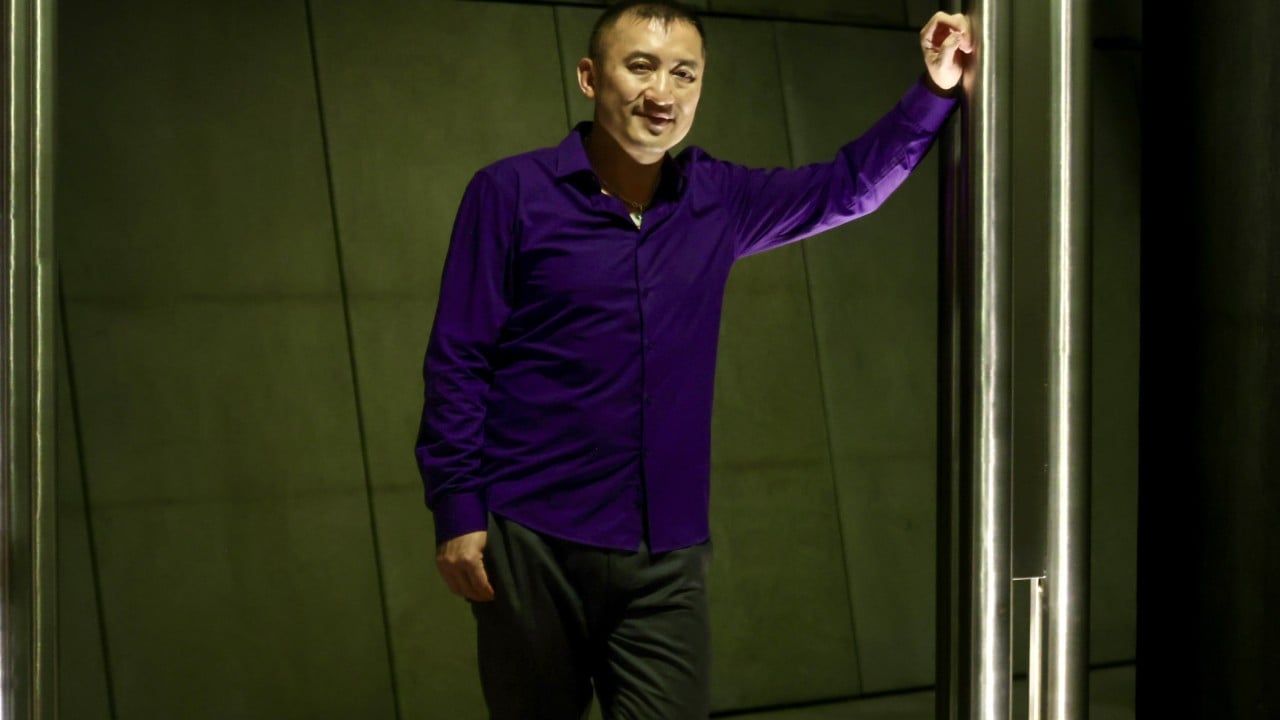
Composer Huang Ruo on why opera is ‘the last dance of humanity’, and his Hong Kong show
“Nowadays, we have people listening to AI pop singers,” Chinese-American composer Huang Ruo says during a talk on music and culture in Hong Kong. “They sing so beautifully, but it’s not real. So I do believe theatre and opera are the last dance of humanity.” The 50-year-old New York-based conductor and pianist behind acclaimed cross-cultural operatic projects M. Butterfly (2022) and The Monkey King (2025) made further impassioned statements about performing arts in the modern world. “Seriously,...

In P.E.I., sweeping new strategy takes aim at ‘pervasive drinking culture’
From life-altering tragedies to everyday health risks, P.E.I. is taking direct aim at mitigating the toll of drinking. Advocates, are hoping a new provincial alcohol strategy will push Islanders to re-evaluate their relationship with alcohol, while reducing costs that far outweigh the revenue alcohol brings in.

The RDSP was meant to help disabled Canadians save for the future. Yet many don't know it exists
The Registered Disability Savings Plan was intended to be a financial safety net for people with disabilities and the families who care for them. But it's only reaching about a third of those it was designed to help.
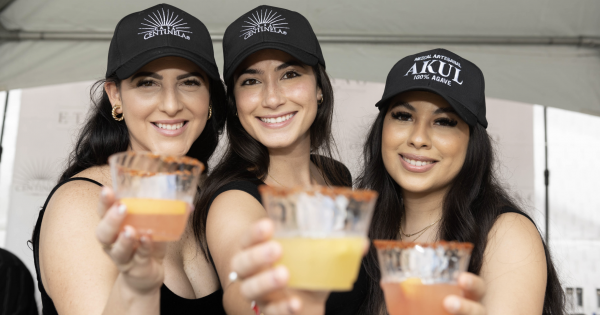
The Palm Beaches are Having a Moment: Discover What’s New in 2027
The Palm Beaches continue to build on their momentum, giving visitors fresh reasons to return and new experiences to discover with every visit. After welcoming 6.09 million visitors in the first half of 2026, up 6.4% from 2025, The Palm Beaches are building on this success with a pipeline of approximately $500 million in developments set to further strengthen the tourism economy. Across 39 cities and towns, the next wave of openings and experiences is taking shape, making the destination an even more compelling place to visit in the year ahead.

KENNEDY SPACE CENTER VISITOR COMPLEX POWERS UP FOR MAX POWER
Visitors to Florida’s Kennedy Space Center Visitor Complex can celebrate the innovation, people and legacy behind NASA’s greatest achievements during MAX POWER, an extra-special event taking place 6 – 8 November 2026. The exhibits and experiences at Kennedy Space Center Visitor Complex celebrate NASA’s great achievements: past, present, and future. During MAX POWER, guests will go on an extraordinary journey as the visitor complex further transforms into a showcase of human ingenuity.

Save Up to 20% on Bangkok–Kuala Lumpur with Vietjet Thailand & Tourism Malaysia
Vietjet Thailand is strengthening its presence in ASEAN’s short-haul travel market through collaboration with Tourism Malaysia to support and promote the ‘Visit Malaysia 2026–2027’ campaign, with the aim of encouraging greater travel connectivity and increasing Thai visitor arrivals to Malaysia. The partnership aims to encourage Thai travellers to visit Malaysia during the year-end peak travel season, expand travel options to one of their most popular destinations, and support tourism growth between the two countries.

Why do some celebrity perfumes – think Ariana Grande, Britney Spears – stay popular?
There is a particular kind of deja vu that comes from a stranger’s perfume, when a scent – sugary-sweet in a lift, soft and creamy on a person’s jumper, flowery from a hug – drifts past and you know it long before you can name it. Chances are, a few of them come with a celebrity’s name. Famous names have long sold perfumes, intentionally or not. When Marilyn Monroe said in 1952 that Chanel No 5 was all she wore to bed, she did more for that bottle than any advertisement could, despite never...

Royal Enfield commits over INR 3 crore to snow leopard conservation
Royal Enfield has pledged over INR 3 crore towards snow leopard conservation, fulfilling a commitment made during its One Ride 2026 event. The funding will support habitat protection, scientific research, community stewardship and human-wildlife conflict mitigation across more than 10,500 sq. km of snow leopard habitat in six Himalayan regions. The initiative also includes a nature interpretation centre in Ladakh and a conservation conclave.

29 Multi-Tasking Beauty Products To Help You Save Space In Your Carry-On
Why pack a separate blush, highlighter, eyeshadow, and bronzer when you can have it all in *one* teeny palette? View Entire Post ›
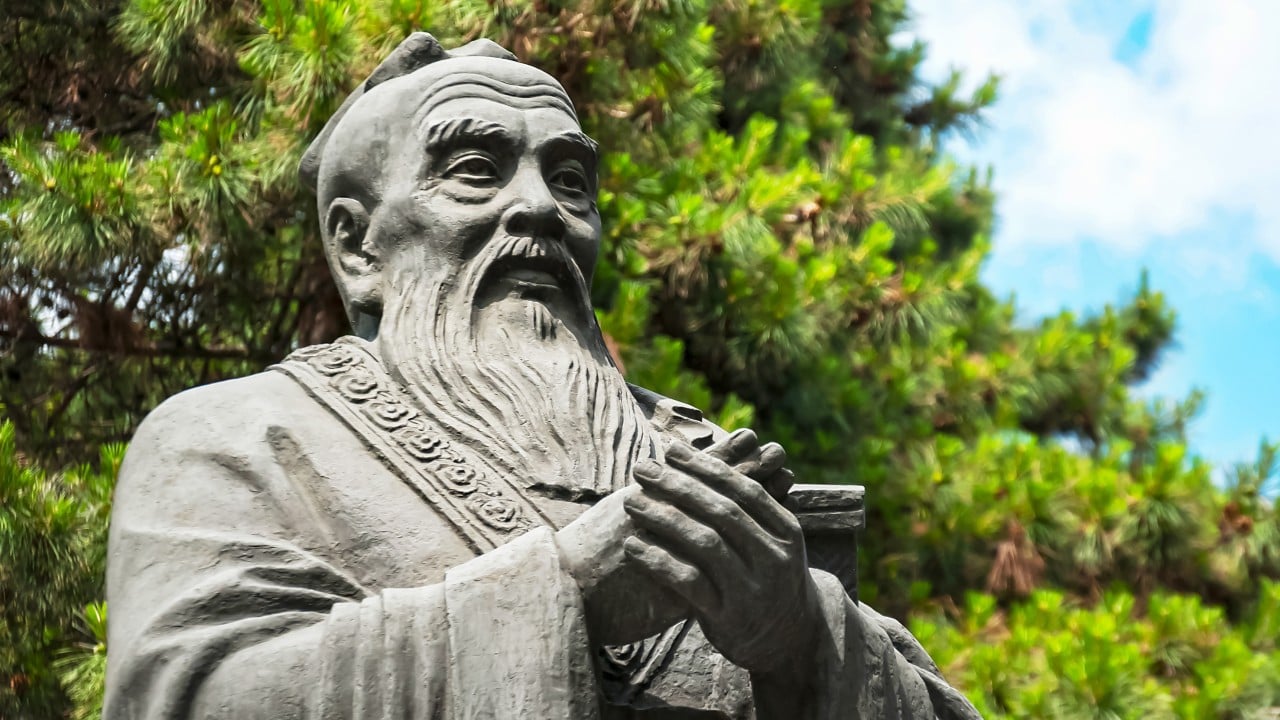
How Confucius’ teachings about morality still apply today and what we can learn from them
We recently hosted visitors from Malaysia at our place in the Czech Republic, happily guiding them around Prague and several places beyond the capital, including a few that were new to us, too. There was much conviviality as the six of us explored beautiful Czech cities and towns, sampled hearty local cuisine and slipped effortlessly into the distinctive Malaysian-Singaporean patois – a lively hybrid of English, Chinese, Malay and some Indian vocabulary and syntax – that comes naturally to many...

How to Style like Sofia Coppola, Chloé Zhao, Greta Gerwig and Emerald Fennell
These celebrated female filmmakers have been owning the spotlight of late with their distinctive fashion choices – Sofia Coppola’s understated minimalism and Greta Gerwig’s smartly tailored ensembles haven’t gone unnoticed. Read on to explore the personal style of four of Hollywood’s best-dressed women directors. Sofia Coppola Rabanne skirt The Row T-shirt Chanel necklace Cartier watch Max Mara shoes (HK$5,990) Chloé Zhao Toteme jumper Malo shirt Phoebe Philo trousers Hermès...

How procrastination can harm your physical and mental health, and practical tips to stop it
“Have you made that doctor’s appointment about the lump on your back yet?” your spouse asks. You sheepishly mumble that you have not. Walking past a packed wardrobe – a daily reminder of a decluttering project put off for months – you settle onto the sofa to finish binge-watching that new Netflix series. Sound familiar? Procrastination is no big deal; everyone puts off tasks they don’t want to do, right? Wrong, according to Fuschia Sirois, a professor of social and health psychology at Durham...
Recommended








YOUR NEWS, OUR NETWORK.
Do you have Great News you want to tell the world?
Be it updates about your business or your community, you can make sure that it’s heard by submitting your story to our network reaching hundreds of news sites across 6 verticals.