
OEM vs ODM Gym Equipment: Which Model Fits Brand Growth
Sep 16, 2026
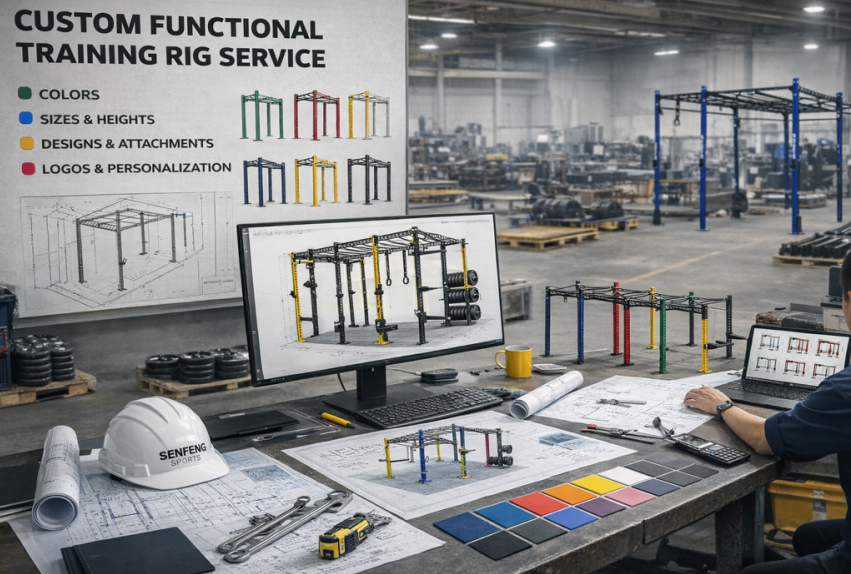
Nantong, Jiangsu Sep 15, 2026 (Issuewire.com) - Ask three gym-equipment brands how they got their first products made, and the answers rarely match. One licensed a factory's existing design and shipped within weeks. Another handed over its own drawings and waited months for tooling. A third started with the first approach and later switched to the second. All three were right for their moment. That divergence sits at the heart of the OEM vs ODM gym equipment decision, and it trips up more newcomers than any pricing question. Both routes produce branded products, but they hand very different responsibilities to the brand owner. Understanding the split early saves money, time, and a fair amount of frustration. Manufacturers such as Senfeng (Nantong Senfeng Sports Products Co., Ltd.) run both tracks, covering commercial and home lines from power racks and Smith machines to hex dumbbells and polyurethane barbells, which makes the comparison practical rather than theoretical.
Breaking Down The Terms: Who Holds The Design
The cleanest way to separate the two models comes down to one question: who holds the design and the patent?
With OEM, the brand supplies the drawings and sets the specifications. The factory builds exactly to those files. The brand owns the look, the structure, and any intellectual property tied to it. The manufacturer acts as the production arm.
With ODM, the factory offers a finished, proven design. The brand makes light changes such as color, logo placement, or minor trim, then puts the product on the market under its own label. The design ownership stays largely with the maker.
Neither is better in the abstract. OEM gym equipment gives full control and a defensible product identity. ODM gym equipment gives speed and a lower research burden. The right pick depends on where a brand stands and what it wants to protect.
Matching The Model To Your Growth Stage
Growth stage is the most useful filter here.
A startup or a regional dealer usually needs new products on the shelf fast, without sinking capital into engineering. ODM fits this well. Take machines from the strength range: a Lat Pull Down, a Smith Machine, or a standard Power Rack already exist as mature designs. Rebranding them with a new color and a logo is quick, and the tooling is already proven. A distributor facing an urgent order can rely on ODM to keep a shipment on schedule.
A brand entering its growth phase, building its own intellectual property, tends to lean the other way. Here OEM makes sense. Locking down a supply chain and owning a distinct product design builds a barrier that competitors cannot simply copy off a catalog. Free-weight items illustrate the point. Hex dumbbells and polyurethane barbells often carry brand-specific grip shapes, weight markings, and finishes, so these usually call for drawing-based, deeply customized production rather than a quick color swap.
In short, catalog machines suit rebadge-and-adjust ODM work, while signature free-weight and bespoke pieces reward the OEM route.
Senfeng's Dual-Track Approach
Nantong Senfeng Sports Products Co., Ltd has run OEM and ODM in parallel for more than eight years, which lets a client switch models as the business matures without changing suppliers.
The workflow reflects that flexibility:
- Drawing- and sample-based processing, so a brand can arrive with either a full spec file or a reference product.
- 3D modeling turned around in about three days, useful for checking form and fit before any metal is cut.
- Prototype samples ready in roughly seven to ten days.
- Three rounds of inspection before goods leave the plant.
- A two-hour response window on inquiries.
Because the same dual-track approach serves both models, a customer can begin with an ODM run to test the market, then move to full OEM once volumes and a defined product identity justify it. The transition stays inside one factory, one quality system, one point of contact. That continuity matters more than it sounds, since re-qualifying a new supplier mid-growth burns weeks and risks quality drift.
Where Things Quietly Go Wrong
Both models carry traps worth naming plainly.
On the ODM side, appearance and structural patent ownership is the item people skip. A design supplied by the factory may carry rights the factory keeps. Clarify in writing who owns what before the first order, especially if the product might later anchor a proprietary line. Confusion here surfaces at the worst moment, usually when a brand tries to move that design elsewhere.
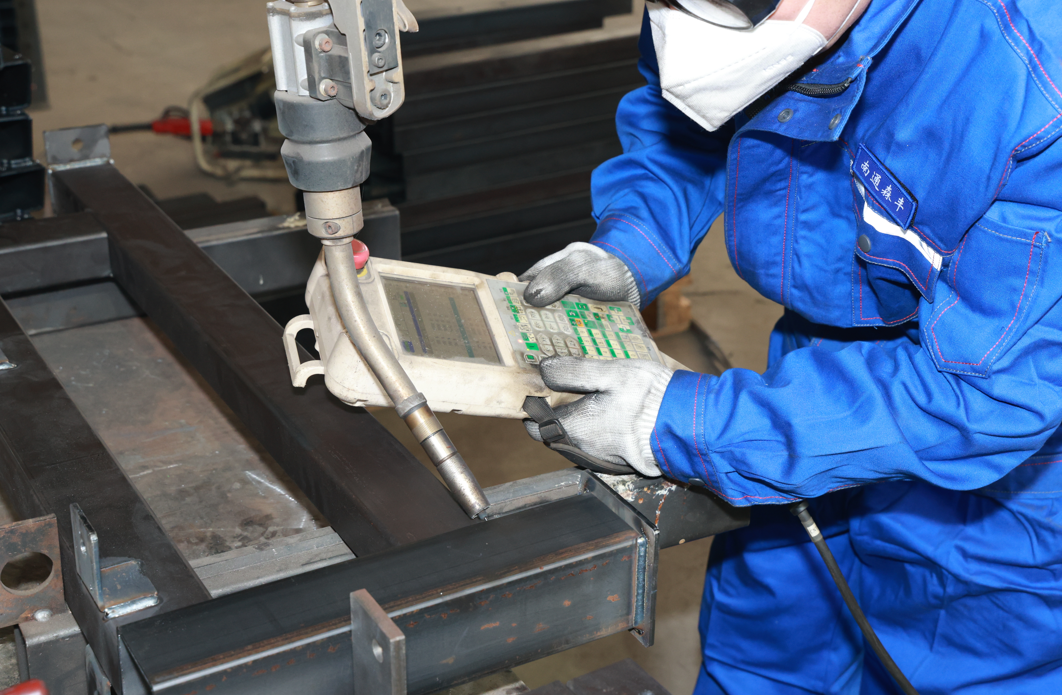
On the OEM side, a small trial run demands close checks. Inspect the weld beads on load-bearing joints. Confirm the tubing spec, for example a 75--75--3mm main frame on a rack, since wall thickness affects both safety and feel. Check the electrostatic powder coating for even coverage and adhesion. And insist on a pre-shipment report with photos before releasing the balance. A first OEM batch reveals whether the factory read the drawings correctly, so treat it as the audit it is.
These are not exotic requirements. They are the difference between a product that survives daily commercial use and one that returns as a warranty claim.
Closing: A Simple Way To Decide
The choice rarely needs a long spreadsheet. It usually comes down to a few honest checks.
- Look at how distinct the product must be. A near-standard rack that only needs a logo points toward ODM; a piece meant to define the brand points toward OEM.
- Weigh the cost of speed against the cost of control. Getting to market this quarter and owning the design outright pull in opposite directions.
- Read the factory before the design. A first small order tells more about weld quality, coating, and communication than any brochure.
A sensible path for many newcomers is to start with a small ODM trial, perhaps ten units, to test both the market and the factory, then shift to OEM once the direction firms up. That sequence keeps early risk low while leaving room to build something proprietary later.
Whether the plan calls for OEM gym equipment, ODM fitness equipment, or a staged move between the two, the practical next step is to specify the machine model and the customization items, then send those details across for a quote. A supplier used to both tracks can price and schedule accordingly. More product and factory information is available at https://senfengfitness.com/
Media Contact
Nantong Senfeng Sports Products Co., Ltd
+86 19514497849
Source :Nantong Senfeng Sports Products Co., Ltd
This article was originally published by IssueWire. Read the original article here.
More News

How the Shaw Prize in Computer Science has been created
Since the Shaw Prize was first presented in 2004, the prestigious annual awards have been presented in three categories: astronomy, life science and medicine, and mathematical sciences. A fourth category – computer science – was announced earlier this year in a move that is fully in keeping with the original vision of Run Run Shaw, the late Hong Kong film mogul and legendary philanthropist, who set everything in motion. His intention was to recognise the quest for knowledge and honour...

“I WILL NEVER SET FOOT IN THAT TOWN AGAIN”: 76 Places Around The World People Recommend You Never, Ever, Ever Visit
"Overall, it was a really strange place, in a way that makes the pit of your stomach tense up, and makes you want to run away." View Entire Post ›
Style Edit: 45R’s new knits spotlight texture and Japanese craftsmanship
The appeal of a good knit is often immediate, from the softness against the skin to the reassuring volume and warmth. At 45R, those qualities begin well before a garment takes shape. The Japanese label’s latest selection puts the making process in focus, bringing together airy merino, characterful Shetland wool and the flecked textures of Donegal tweed. Founded in Tokyo in 1977, 45R approaches clothing through monozukuri, or the “art of making”, a philosophy centred on respect for craft and...

If You Love Everything About Traveling Except The Actual Travel Part, Check Out These 28 Things
Sitting in a plane for hours isn't so bad when you're kicking your feet up on this inflatable foot rest. View Entire Post ›
Suit linings: the link between the NFL draft and London’s Savile Row
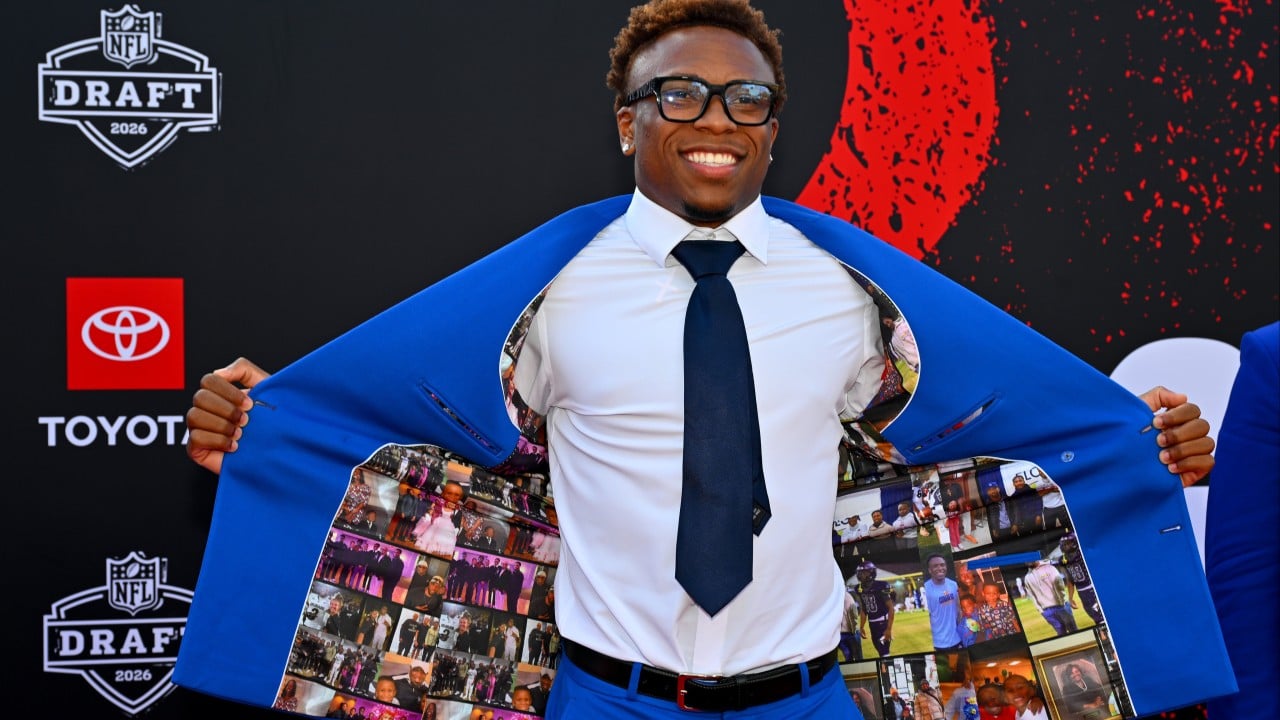
Back in April, suit jackets lined with interesting graphics and prints emerged as one of the more unusual fashion trends at the 2026 NFL draft in Pittsburgh, Pennsylvania, the annual event where professional American football teams pick out the best young players looking to enter the league. Colton Hood, then a Tennessee cornerback, now on the New York Giants’ roster, rocked up in a cobalt-blue jacket that, when opened, revealed a swathe of family photographs across the lining, chronicling his...

"Yes, It Is Weird As F*ck": 29 Americans Are Sharing What "Reverse Culture Shocks": They Faced After Moving Back Home From Abroad, And It Just Shows How The US Is Not The Best
"Something I didn't miss when I was abroad was the tipping culture in the United States. Here, tipping is expected everywhere for everything." View Entire Post ›
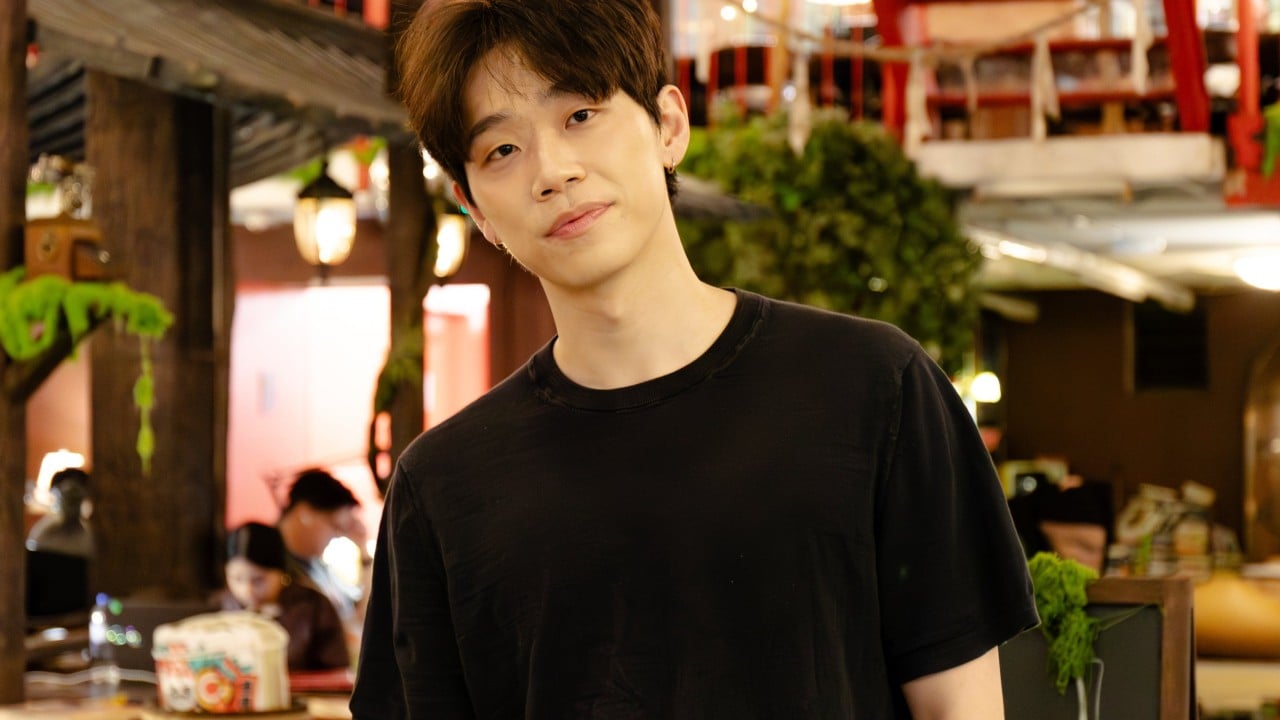
O3’s Luca Yang hated studying. So he built 24/7 study cafes to motivate people like him
At 22, Luca Yang was running a small teaching company in New Zealand after quitting a six-figure finance job that he hated. It had humble beginnings, where he tutored English online for A$25 (US$17.55) per hour just to get by. When one of his students got into Oxford, word spread: one student became 50, then 500. By most measures, he had already won the start-up lottery. “It was producing a lot of money, but it wasn’t something I actually loved doing,” says Yang, who was born and raised in...

Meet Barbera Thornhill, Trump’s anti-trafficking ambassador, going viral for her ‘Maga face’
After Katie Zacharia was sacked as the White House press secretary amid questions about her legal qualifications, another newly appointed Trump official is going viral. Barbera Thornhill is US President Donald Trump’s new Ambassador-at-Large to Monitor and Combat Trafficking in Persons. State Department official Riley Barnes shared the 78-year-old’s portrait on X to celebrate her appointment, but the post gained traction for all the wrong reasons. Social media users tore into Thornhill’s...

This Manchester Hotel Has A Whimsical, Storybook-Like Suite That Made Me Feel Like A Kid Again
...The restaurant Sister Moon is another story. View Entire Post ›

28 Travel Products That Are Worth The Extra Space If You’re Traveling With Kiddos
Because keeping your kids happy is over half the vacay battle, and YOU CAME TO WIN with these finds on your side. View Entire Post ›

46 Travel Products That Just Make Sense To Buy If You’re Going On Multiple Trips Before The Year Ends
Whether you're traveling near or far or in between, you definitely need this foldable 3-in-1 charger and these holy grail travel pants as your copilots. View Entire Post ›

I Spent 5 Days In One Of America's Most Overlooked Places, And I Think I Found My New Favorite Place On Earth
If you know, you really know. View Entire Post ›
Recommended







YOUR NEWS, OUR NETWORK.
Do you have Great News you want to tell the world?
Be it updates about your business or your community, you can make sure that it’s heard by submitting your story to our network reaching hundreds of news sites across 6 verticals.